
Is Creatine Safe? What Women, Non-Athletes & Everyday Aussies Should Know.
If you’ve been hearing more about creatine lately — on podcasts, in women’s health circles, or around brain health and dementia prevention — you’re not imagining it. Creatine is no longer “just a gym supplement.” It’s now one of the most researched nutrients for:
Brain energy
Mental clarity
Strength and resilience
Healthy ageing
Mood support
Cognitive protection
And the biggest question people ask first? “Is creatine actually safe?”
Short answer: For healthy adults, yes — overwhelmingly so.
Safe, research-backed, and simple to use — Shop Now
Let’s break it down properly.
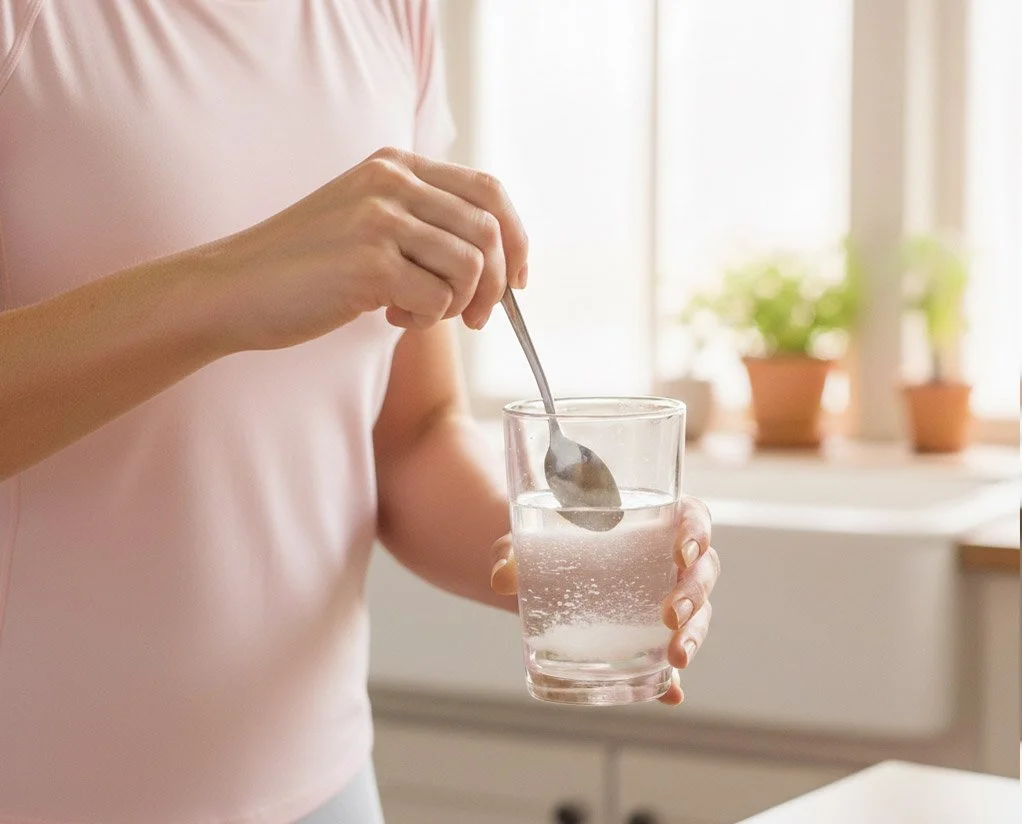
The Big Safety Picture: What 20+ Years of Research Shows.
Creatine monohydrate is one of the most studied supplements in the world. A 2025 large-scale review covering 685 clinical trials found:
Reported side effects were no different to those taking a placebo.
No consistent evidence of kidney or liver damage in healthy people.
Safe use documented in studies lasting up to 5–14 years
That depth of research is exceptionally rare in the supplement industry.
And here’s what makes creatine even more reassuring:
Your body already produces it naturally. Creatine is stored in your muscles and brain as a rapid energy source to power short bursts of effort and support cognitive function.
Supplementing doesn’t introduce something foreign.
It simply increases your body’s existing energy reserves.
In other words — you’re not adding something unnatural. You’re optimising what’s already there.
💡Key Brain Fact.
Recent pilot research showed creatine supplementation increased brain creatine levels by ~11%, with measurable improvements in:
Working memory
Mental processing speed
Executive function
For women especially — where natural creatine stores are typically lower — this is significant!
Start increasing your natural creatine reserves today — Shop Pure Creatine
Safe Dosage Guidelines. (Simple & Effective)
Forget complicated “loading phases.” For most people: 3–5g per day is all you need. Here’s what that looks like in real life:
| Who It's For | Daily Dose | What You'll Likely Notice | Safety Profile |
|---|---|---|---|
| General Adults | 3–5g | Steadier energy, improved recovery | Extensively studied, well tolerated |
| Women | 3–5g | Brain clarity, strength support, mood resilience | No hormone disruption shown |
| Non-Gym Goers | 3–5g | Mental stamina, less fatigue | Safe even without training |
| Higher Training Volume | Up to 5–10g | Enhanced performance & recovery | Safe long-term in healthy adults |
No cycling required. No complicated timing needed. Just consistency.
Is Creatine Safe for Women?
This is where things get interesting.
Women naturally store 20–30% less creatine than men. That gap becomes more pronounced during:
Perimenopause
Menopause
Periods of high stress
Vegetarian or low-red meat diets
Emerging research suggests creatine may support:
Cognitive performance
Mood stability
Strength preservation
Bone support (when combined with resistance training)
Mental resilience during hormonal transitions
And no — it does not make women bulky.
Without intense strength training, creatine does not cause large muscle gain. What it does support is lean strength, cellular hydration, and energy production.
That’s why female search interest has been rising — particularly around brain health and ageing support.
👩 Women’s Brain Health Callout
Creatine plays a direct role in ATP production — your brain’s energy currency.
Lower energy availability in the brain is linked to fatigue, low mood, and cognitive decline.
Supporting brain energy = supporting cognitive resilience.
This is one reason creatine is now being discussed in dementia and Alzheimer’s prevention conversations.
Can You Take Creatine If You Don’t Train?
Absolutely.
Creatine’s benefits extend beyond muscle.
Even without lifting weights, research shows:
Improved short-term memory
Reduced mental fatigue
Better performance under stress
Enhanced cellular hydration
Think of it less as a “muscle supplement”
and more as a cellular energy support nutrient.
For desk workers, busy parents, business owners, and anyone mentally switched on all day — that matters.
What About Water Weight?
You may notice 0.5–1.5kg increase initially. This is:
Water stored inside muscle cells
A sign of improved cellular hydration
Not bloating or fat gain
Many people actually report feeling firmer, not puffier. Many women naturally fluctuate by 1–3kg across their menstrual cycle due to hormonal water retention — so this shift is well within the range of normal body changes and rarely noticeable.
Australian Safety & Quality
In Australia, supplements are regulated under the TGA framework. Quality matters.
Not all creatine is equal — contamination and poor manufacturing are the real risks. That’s why we stock:
Third-party tested
No fillers
No flavours
No unnecessary additives
Why Interest Is Growing — Especially Among Women
We’re seeing a clear shift: Search trends are rising for:
“Creatine for brain health”
“Creatine for women over 40”
“Creatine menopause support”
“Creatine cognitive benefits”
This isn’t hype. It’s the natural result of:
More podcast discussions
Longevity research
Female-focused health conversations
Growing awareness of brain energy metabolism
Creatine is moving from gym culture into longevity culture, and rightfully so!
The Bottom Line.
For healthy adults, creatine monohydrate is:
✔ Extensively researched
✔ Safe at recommended doses
✔ Beneficial beyond muscle
✔ Promising for brain support
✔ Particularly interesting for women
If you’ve been curious, this is one of the lowest-risk, highest-researched supplements you can consider.
Ready to Try It?
If brain clarity, steady energy, and strength support matter to you: Our Pure Creatine Monohydrate is:
Clean & Tested
Simple & Easy to mix
Backed by research
Start with 3–5g daily.
Stay consistent.
Notice the difference.

Whether you’re hitting the gym, the office, or the endless to-do list, our Creatine Monohydrate gives you the boost to go further, think clearer, and feel stronger. Backed by science and free from all the nasties (yep—vegan, gluten-free, dairy-free, and no refined sugar), it’s the simple, effective way to fuel your body and brain. No hype—just results.
Benefits
✔Boosts strength and endurance
✔Supports all-day energy
✔Enhances focus and mental clarity
✔Helps reduce fatigue and lift mood
✔Aids muscle recovery and hydration
✔Helps prevent muscle cramps
✔100% vegan and clean formula
✔Gluten-free, dairy-free, and free from refined sugar
✔Perfect for any lifestyle or routine
✔Backed by science, no fluff
FAQ & Common Safety Concerns.
Does creatine damage your kidneys?
No — not in healthy individuals.
Decades of research show no kidney harm at recommended doses (3–5g daily). If you have pre-existing kidney disease, speak with your doctor first.
Does creatine cause hair loss?
There’s no solid evidence that it does.
One small study suggested a possible DHT increase, but it did not measure hair loss and hasn’t been consistently replicated.
Is creatine safe during pregnancy?
There isn’t enough human research yet.
If pregnant or breastfeeding, consult your healthcare professional first.
Is creatine safe for women?
Yes.
Studies show no hormone disruption, no masculinising effects, and no automatic “bulking.” Women may actually benefit more due to naturally lower creatine stores.
Is creatine safe if I don’t exercise?
Yes.
Creatine supports cellular energy production — including in the brain — so benefits aren’t limited to gym training.
Will creatine make me gain weight?
You may gain 0.5–1.5kg initially from increased water inside muscle cells.
This is not fat gain. For context, many women naturally fluctuate 1–3kg across their menstrual cycle.
Is creatine safe long term?
Yes — in healthy adults.
Long-term studies show it’s well tolerated when taken consistently at recommended doses.
While creatine monohydrate is widely regarded as safe and well-tolerated for most healthy adults based on extensive research, everyone's body is unique. Supplements can interact differently from person to person, especially if you have existing health conditions, are taking medications, are pregnant, breastfeeding, or under 18. This article is for general information only and is not a substitute for personalised medical advice. It's always a smart move to chat with your doctor or a qualified healthcare professional if you have any concerns starting any new supplement—just to make sure it's the right fit for your individual needs. Better to know for sure and feel confident!
If you have any questions about our product or how to get started safely, feel free to reach out to our team.