
Do You Need a Towel for Reformer Pilates?
If you’re new to reformer Pilates — or even if you’ve been going for a while — you may have asked yourself: do I need to bring a towel to reformer Pilates? The short answer is: yes, in most cases a towel is strongly recommended, and often expected. Reformer Pilates involves shared equipment, close body contact with the carriage and straps, and more sweat than many people anticipate.
In this guide, we’ll explain why a towel is important for reformer Pilates, how sweaty classes really get, and what type of towel works best — especially if you want something compact, hygienic and high‑performance.
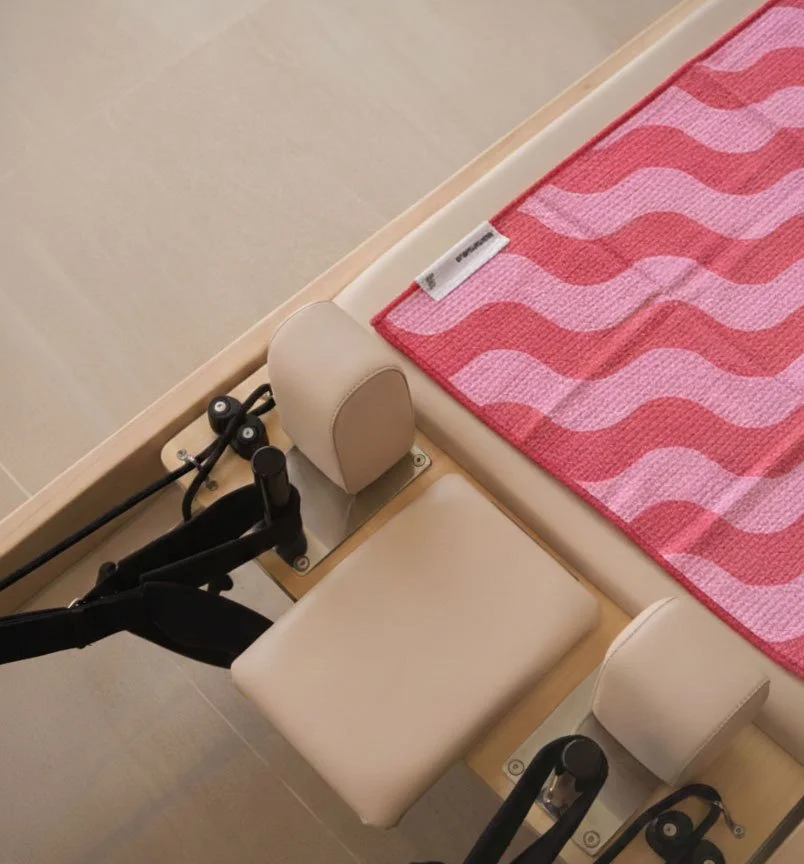
Is a Towel Necessary for Reformer Pilates?
While every studio has its own policies, many Australian reformer Pilates studios:
Recommend bringing your own towel.
Require a towel for hygiene reasons.
Offer towel hire (often for an extra fee).
A towel isn’t just a nice‑to‑have — it plays an important role in hygiene, comfort and performance during your class.
Hygiene and Shared Equipment.
Reformer Pilates machines are used by multiple people throughout the day. Even with regular cleaning, placing a personal towel between you and the equipment helps reduce direct contact with sweat and bacteria.
Using your own towel can help:
Create a clean barrier on the carriage, box or headrest.
Reduce the spread of sweat and bacteria.
Improve peace of mind in busy studios.
This is especially relevant in warm studios or high‑intensity reformer classes, where perspiration builds quickly.
How Sweaty Do You Get During Reformer Pilates?
Many people are surprised by how sweaty reformer Pilates can be. Despite the controlled movements, reformer Pilates:
Engages large muscle groups.
Builds heat through slow, sustained resistance.
Often includes core‑intensive sequences that elevate heart rate.
Even if you don’t leave drenched, hands, feet, back and shoulders commonly sweat, which can affect grip and comfort on the machine.
That’s where the right towel makes a real difference.
What Kind of Towel Is Best for Reformer Pilates?
| What to Look For | What to Avoid |
|---|---|
| Compact, reformer-friendly size – covers key contact points without bunching | Oversized bath towels that slip, fold or get in the way |
| Lightweight and portable – easy to carry to class | Thick, heavy cotton towels that feel bulky |
| Highly absorbent fabric – manages sweat on hands, feet and back | Low-absorbency towels that become slick when damp |
| Quick-drying material – won’t stay wet in your bag | Slow-drying towels that stay damp for hours |
| Textured or grippy surface – improves stability on the carriage and box | Smooth towels that slide on reformer equipment |
| Easy to wash and reuse – ideal for regular studio training | Towels that hold odours or need long drying times |
|
What to Look For
Compact, reformer-friendly size – covers key contact points without bunching
Lightweight and portable – easy to carry to class
Highly absorbent fabric – manages sweat on hands, feet and back
Quick-drying material – won’t stay wet in your bag
Textured or grippy surface – improves stability on the carriage and box
Easy to wash and reuse – ideal for regular studio training
What to Avoid
Oversized bath towels that slip, fold or get in the way
Thick, heavy cotton towels that feel bulky
Low-absorbency towels that become slick when damp
Slow-drying towels that stay damp for hours
Smooth towels that slide on reformer equipment
Towels that hold odours or need long drying times
|
|
PRO-DRI towels tick every box . Explore our range of towels here.
Why PRO‑DRI Towels Are Perfect for Reformer Pilates
PRO‑DRI towels were designed with high‑performance training and shared environments in mind — making them an excellent choice for reformer Pilates.
Compact Size — Made for the Reformer.
Towel size matters for reformer Pilates.
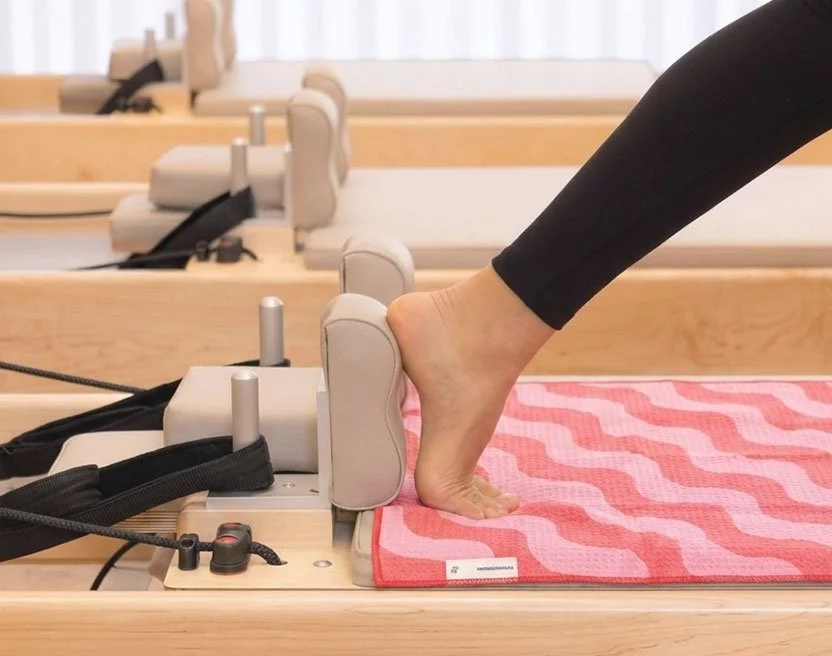
The PRO‑DRI Small Towel (40cm x 66cm) are intentionally sized to suit the reformer carriage and box - giving you coverage where you need it without excess material getting in the way. This size is ideal because it:
Sits neatly on the carriage and headrest without bunching
Provides enough surface area for hands, feet, back or shoulders
Doubles as a wipe-down towel during and after class — no need to bring two towels
Unlike oversized gym or bath towels, the PRO-DRI Small Towel is perfectly tailored for the reformer.
Luxe Waffle Texture for Grip and Control.
The luxe waffle texture isn’t just about looks. It helps:
Improve grip on the carriage and box.
Reduce slipping when hands or feet get sweaty.
Add comfort without excess bulk.
This subtle texture makes a noticeable difference during challenging sequence.
Quick‑Dry, High‑Performance Fabric.
Reformer Pilates towels need to dry fast — especially if you’re heading to work or another workout. PRO‑DRI towels are:
Highly absorbent.
Fast drying.
Designed to stay fresher between washes.
No soggy towel sitting in your bag all day.
Designed With Hygiene in Mind.
Using your own towel is a simple way to improve hygiene during reformer Pilates — and PRO‑DRI towels make it easy.
They create a personal barrier on shared equipment and are easy to wash and quick to reuse, helping you stay consistent with clean training habits.
Train clean.
Move with confidence.
Explore PRO‑DRI towels — designed in Australia for high‑performance reformer Pilates workouts and shared studio environments.
The Bottom Line — Should You Bring a Towel to Reformer Pilates?
Yes — bringing a towel to reformer Pilates (and really, any shared exercise environment) is strongly recommended.
While most Pilates studios do a great job wiping down equipment between classes, using your own towel adds an extra personal barrier between you and shared surfaces. This helps protect against unwanted bacteria, supports better hygiene, and gives you peace of mind in busy studio environments.
More importantly, it lets you focus on what actually matters — crushing your next reformer workout.
For hygiene, comfort and confidence on shared equipment, a small, high-performance towel is one of the simplest upgrades you can make to your Pilates routine.
If you’re looking for a towel that’s:
Compact and easy to carry.
Quick-drying and absorbent.
Grippy, hygienic and studio-friendly.
The PRO-DRI Small towel (40cm x 66cm) is tailored perfectly for reformer Pilates, offering the ideal size for the carriage while still doubling as a wipe-down towel after class.